Ingredients
Metric weights use grams. US weights use ounces; liquids use fluid ounces. Conversions are rounded. Spoon measures use 5 ml teaspoons and 15 ml tablespoons; cups use 240 ml.
Serves 6
Choose any positive whole number of servings. Ingredients and measured amounts in steps scale together. Times, temperatures and equipment stay unchanged. For larger yields, cook separate original-size batches. Counted ingredients can become fractions; beat eggs before dividing them. Fixed correction-water checks remain fixed.
Yogurt
Finish
Equipment
Kitchen scales; measuring jug and spoons; knife; cutting board; mixing bowls.
Check all product labels and cross-contact. Diet groups describe this listed draft, not every substitution.
Steps
Strain · About 3 min
- Mix 1000 g plain whole-milk yogurt, ¾ tsp salt. Line a sieve with clean cheesecloth over a bowl and add yogurt.
Chill · About 1440 min
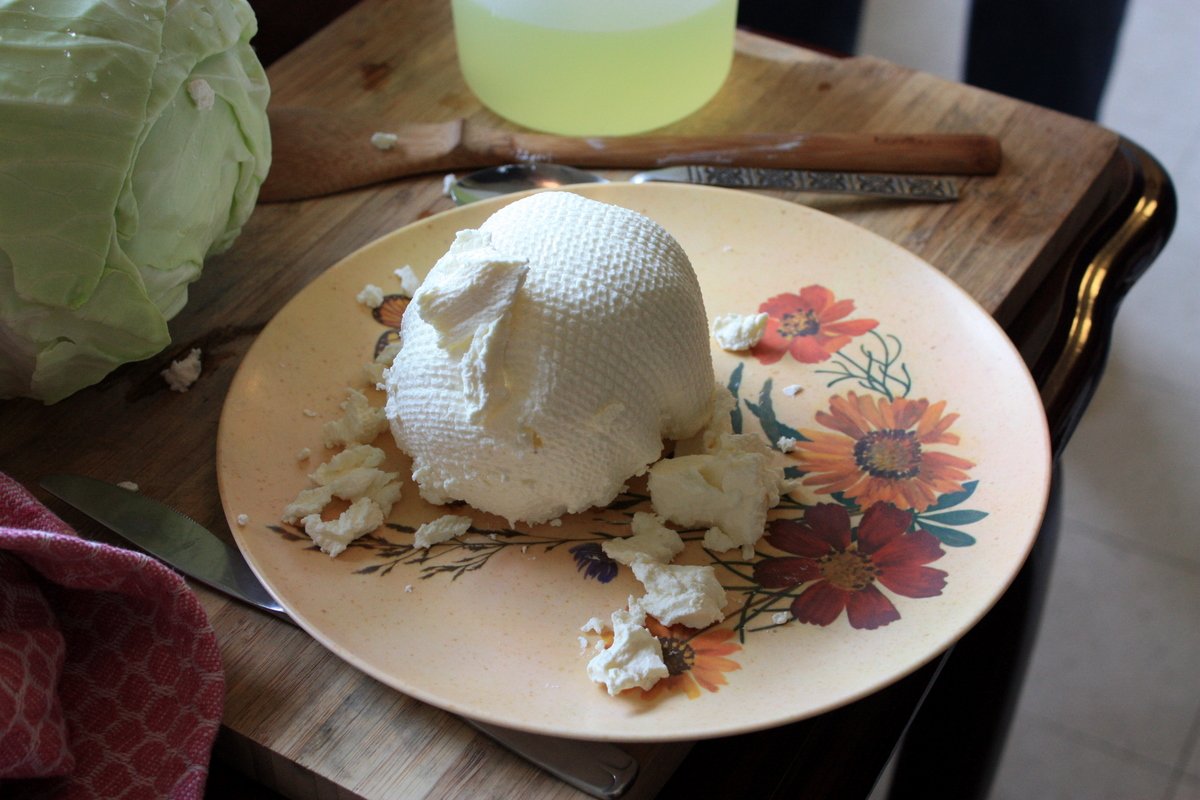
- Cover and refrigerate 24 hours, keeping the sieve above drained whey.
Serve · About 3 min
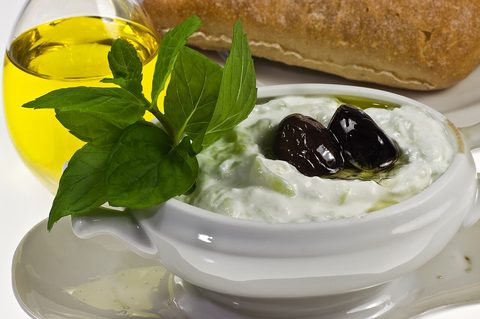
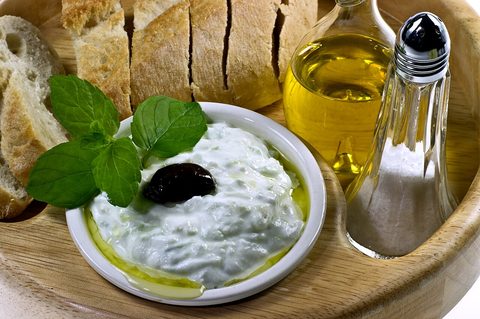
- Transfer thick labneh to a bowl and add 30 ml olive oil, 15 g zaatar. Keep refrigerated; do not strain at room temperature.
Tips
- Drain in the fridge to keep yogurt cold throughout.
- Use the texture and doneness checks in the method; cooking times depend on your pan and heat.
Substitutions
- Use Greek yogurt for a shorter draining time and a thicker result.
Storage
- Keep strained labneh covered at 4°C / 40°F or below. Use within two days for this draft.
- Use a clean spoon; refrigerate promptly after serving. This recipe is not a shelf-stable cheese preserve.
Make ahead
- Wash, dry and refrigerate the fresh ingredients a few hours ahead. Assemble Labneh close to serving and keep perishable ingredients cold.
FAQ
What matters most when making Labneh?
Drain in the fridge to keep yogurt cold throughout.
What can I substitute in Labneh?
Use Greek yogurt for a shorter draining time and a thicker result.
Can I prepare Labneh ahead?
Wash, dry and refrigerate the fresh ingredients a few hours ahead. Assemble Labneh close to serving and keep perishable ingredients cold.
Food safety references
FoodSafety.gov: cooking temperatures · Food Standards Agency: rice storage and reheating